
Chat app development is the process of creating a real-time messaging application that allows users
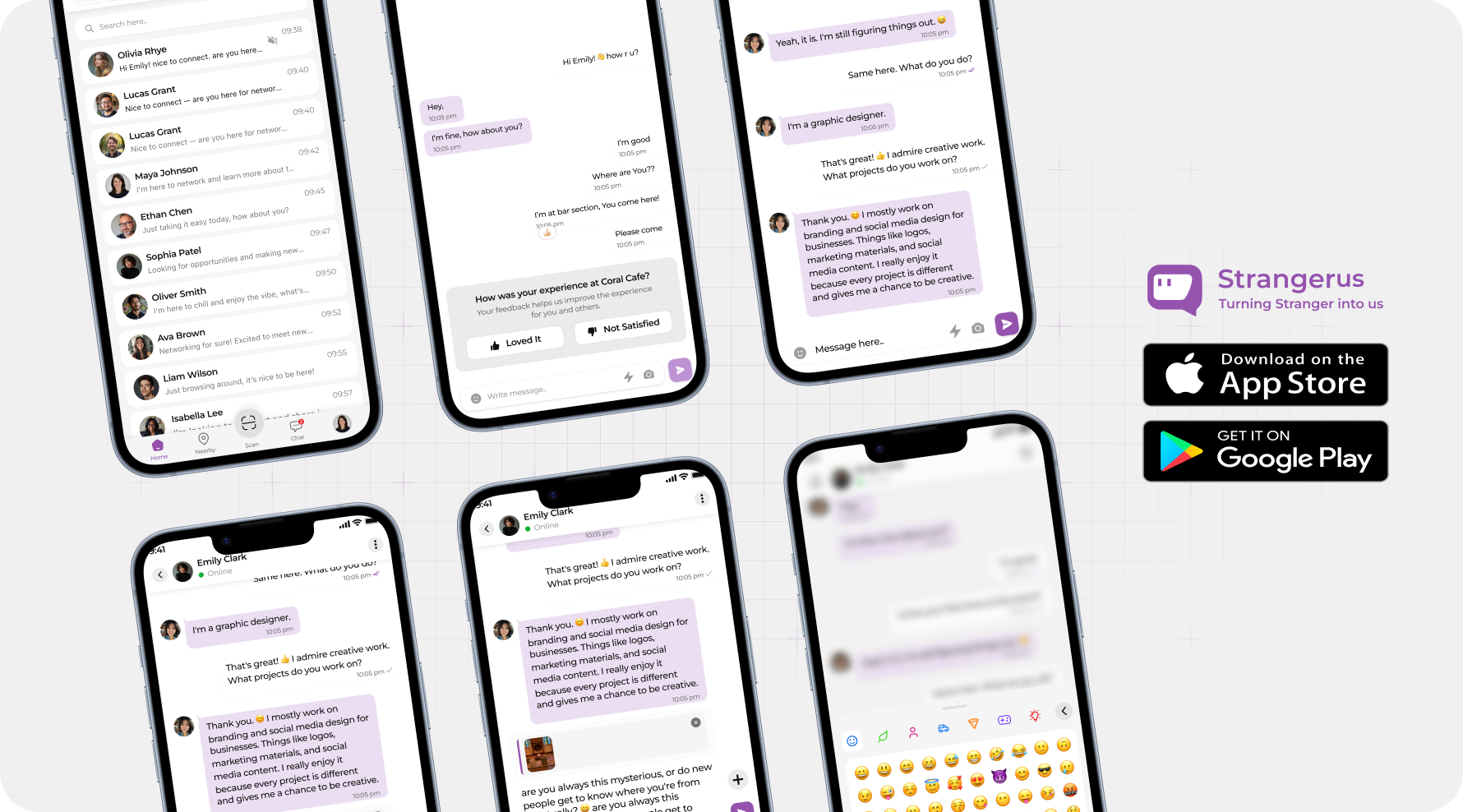
Chat app development is the process of creating a real-time messaging application that allows users to communicate through text, voice, video, media, and file sharing. These apps are built to make communication fast, simple, secure, and accessible across mobile, web, and desktop platforms.
A modern chat app can include one-to-one messaging, group chats, voice notes, video calls, push notifications, message reactions, file sharing, online status, typing indicators, and end-to-end encryption. Businesses can also integrate AI chatbots, customer support tools, payment systems, and CRM features to make the app more powerful.
Chat app development is useful for startups, enterprises, social platforms, healthcare apps, e-commerce stores, education platforms, and internal business communication systems.
Chat app development can be divided into different types depending on the purpose, users, and features of the application.
Private Messaging: This type of chat app allows two users to communicate directly with each other through text messages, images, videos, audio notes, and files.
Multi-User Communication: Group chat apps allow multiple users to join the same conversation. These are useful for families, teams, communities, classrooms, and business groups.
Customer Communication: These apps help businesses talk directly with customers, answer questions, provide support, send updates, and manage customer relationships.
Workplace Communication: These apps are built for companies and teams. They usually include channels, project groups, file sharing, mentions, task discussions, and tool integrations.
Community Interaction: Social chat apps allow users to connect with friends, followers, or communities. They are commonly used in social networking platforms and community-based apps.
Match-Based Messaging: Dating chat apps allow users to communicate after matching with someone. These apps often include profile verification, media sharing, privacy settings, and safety features.
Doctor-Patient Communication: Healthcare chat apps allow patients to communicate securely with doctors, clinics, or support teams through messages, reports, reminders, and video consultations.
Buyer-Seller Messaging: E-commerce chat apps help customers ask product questions, track orders, receive updates, and communicate with sellers or support teams.
Automated Conversations: AI chatbot apps can answer customer questions, guide users, recommend products, collect leads, and automate business communication.
Audio and Video Calls: Video chat apps focus on real-time voice and video communication for meetings, online classes, interviews, consultations, and social calls.
Chat app development offers many benefits for businesses, startups, communities, and users.
Instant Messaging: Users can send and receive messages instantly, which makes communication faster and more convenient.
Quick Response: Businesses can respond to customer questions quickly and improve the overall user experience.
Active Conversations: Chat apps keep users engaged through direct messages, group chats, notifications, media sharing, and reactions.
Stronger Relationships: Real-time communication helps users and businesses build more personal connections.
Live Chat Support: Businesses can help customers instantly through chat instead of depending only on emails or phone calls.
AI Chatbots: Chatbots can answer common questions, collect customer details, and provide support 24/7.
Data Protection: Chat apps can include encryption, secure login, user verification, blocked contacts, and report options.
Privacy Control: Users can manage who can message them, view their profile, or access their shared content.
Lower Support Cost: Chat apps reduce the need for large support teams by using automation and organized communication tools.
Easy Management: Businesses can manage customer conversations from one system.
Easy Sharing: Users can send images, videos, documents, voice notes, links, and location details inside the chat.
Better Collaboration: Teams and customers can exchange important information without switching apps.
Instant Updates: Push notifications alert users about new messages, calls, reminders, offers, and support replies.
Higher Retention: Notifications bring users back to the app and increase activity.
Growing User Base: A well-developed chat app can support more users, conversations, and features as the business grows.
Future Features: Businesses can later add video calls, payments, AI bots, communities, channels, and advanced analytics.
User Insights: Businesses can track active users, response time, message volume, support quality, and engagement.
Better Decisions: Analytics help improve customer service, product experience, and communication strategy.
Improved Conversions: Fast replies can help businesses convert more leads into customers.
Better Customer Experience: Easy communication builds trust and encourages users to stay connected with the brand.
Chat app development can be used in many industries and business models.
Live Help Desk: Businesses can use chat apps to answer customer questions, solve problems, and manage complaints.
Support Automation: AI chatbots can handle common queries and reduce manual workload.
Product Assistance: Customers can ask product questions before buying.
Order Support: Businesses can send order updates, delivery details, return status, and promotional messages.
Patient Communication: Doctors and clinics can communicate with patients through secure chat.
Online Consultation: Healthcare apps can include chat, video calls, prescriptions, and appointment reminders.
Student-Teacher Chat: Schools and online learning platforms can use chat for class communication, homework support, and announcements.
Group Learning: Students can join study groups and share learning resources.
Property Inquiries: Buyers, sellers, tenants, and agents can communicate directly inside the app.
Visit Scheduling: Users can discuss property details and book visits through chat.
Secure Support: Banks and fintech companies can use chat for account help, transaction alerts, and service guidance.
AI Banking Assistant: Chatbots can help users check information, understand services, and get quick answers.
Internal Messaging: Companies can build private chat platforms for employees and departments.
Project Communication: Teams can discuss tasks, share files, and manage work updates in real time.
Private Messaging: Social apps can use chat features so users can communicate directly.
Community Engagement: Groups and community chats help users stay connected.
Guest Support: Hotels and travel companies can use chat for booking support, itinerary updates, and customer assistance.
Real-Time Help: Travelers can get support quickly during trips.
User and Provider Chat: Food delivery, ride booking, home services, and logistics apps can use chat to connect users with service providers.
Service Coordination: Chat helps users share details, confirm orders, and solve issues quickly.
Chat app development has changed a lot over time. It started with simple text communication and has now become a complete digital communication system.
Basic Text Communication: Early messaging started with simple computer networks, emails, and text-based systems.
Limited Speed: Communication was useful but not always instant.
Group Discussions: Chat rooms allowed multiple people to join the same online space and talk in real time.
Online Communities: People started building digital communities around hobbies, interests, and topics.
Direct Messaging: Instant messaging introduced contact lists, online status, private chats, and quick replies.
Faster Interaction: Users could communicate instantly without waiting for email responses.
Phone-Based Messaging: SMS made short text communication popular on mobile phones.
Daily Communication: People started using mobile messages for personal and business conversations.
Mobile-First Experience: Smartphones changed chat app development by making messaging more visual, fast, and convenient.
Media Sharing: Users could send photos, videos, documents, voice notes, and locations.
Real-Time Calling: Chat apps started adding internet-based voice and video calls.
Better Communication: Users could talk face-to-face from anywhere.
Community Messaging: Group chats became useful for families, teams, schools, and online communities.
Broadcast Channels: Apps started allowing one-to-many communication for announcements and updates.
Encryption: Secure messaging became important as users started sharing personal and business information.
Privacy Features: Apps added disappearing messages, blocked contacts, two-factor authentication, and user controls.
AI Chatbots: Businesses started using chatbots for customer support, lead generation, booking, and product recommendations.
Smart Replies: AI improved response speed and made communication more efficient.
Complete Communication Platforms: Modern chat apps include real-time messaging, voice calls, video calls, group chats, media sharing, reactions, search, bots, encryption, payments, and business integrations.
Business-Friendly Systems: Chat apps are now connected with CRM tools, e-commerce platforms, help desks, healthcare systems, and AI automation.
Chat app development helps businesses and users communicate faster, smarter, and more securely. Whether it is for customer support, social networking, healthcare, education, e-commerce, or team collaboration, a well-built chat app can improve engagement, reduce communication gaps, and create a better user experience.







“100Percent” trademark is managed by Avaster Pte Ltd.
Avaster Pte Ltd
Address: 60 Paya Lebar Road
#07-54 Paya Lebar Square
Singapore 409051
goodtogo pvt. ltd
(Address check contact page)
Let's chat on WhatsApp
You can call us on +65 8087 8865 to connect