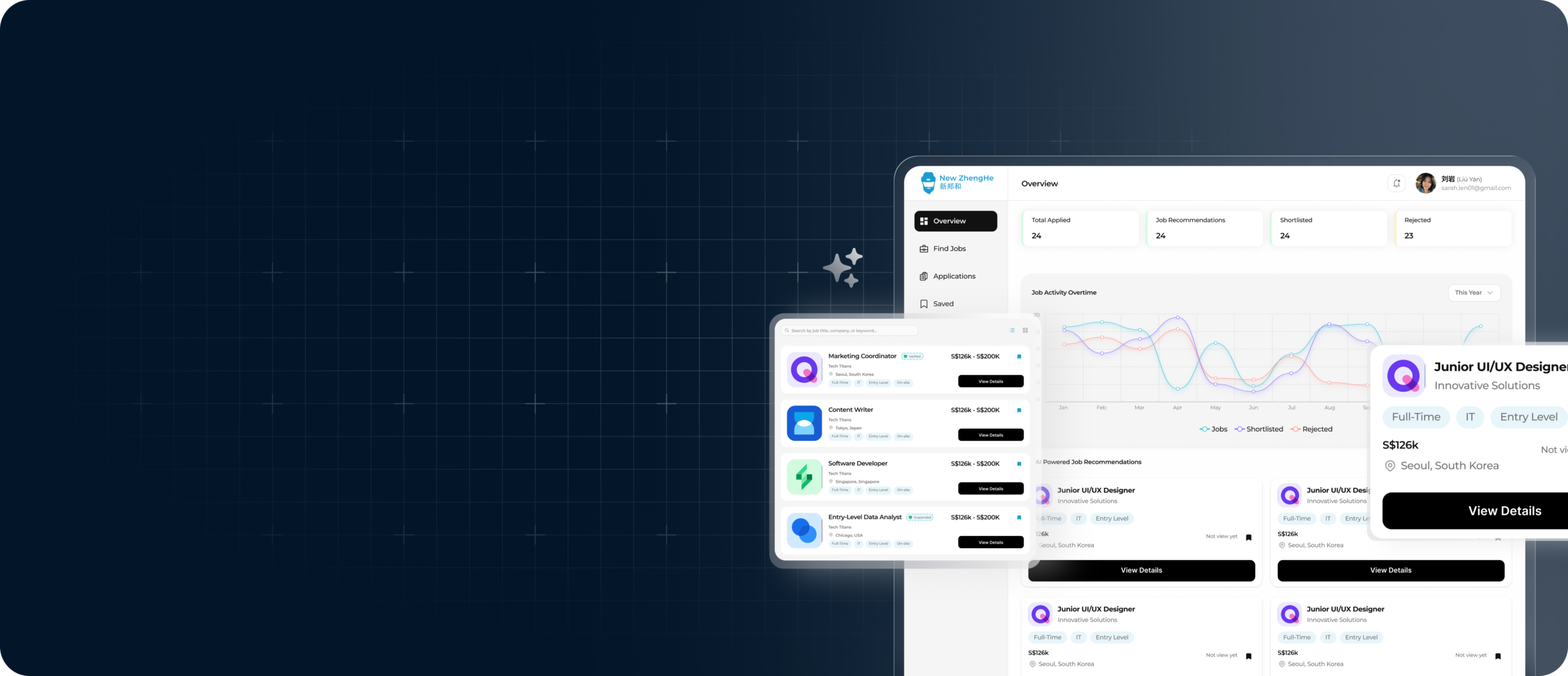
Job portal development is the process of designing and building an online platform where employers
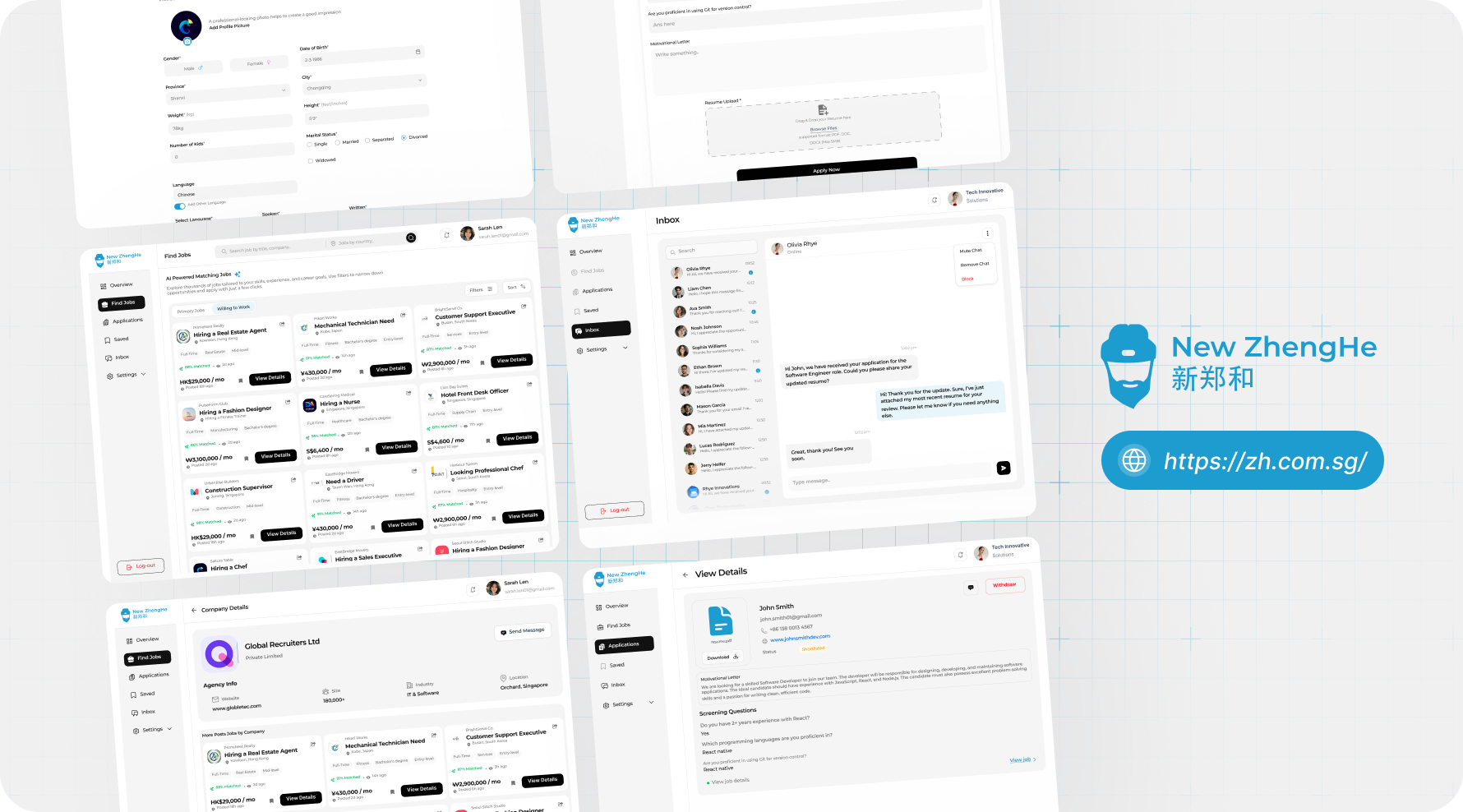
Job portal development is the process of designing and building an online platform where employers can post jobs and candidates can search, apply, and manage their career opportunities. It connects job seekers, recruiters, companies, and hiring teams in one digital system.
A job portal usually includes features like job listings, candidate profiles, resume uploads, job applications, employer dashboards, search filters, interview scheduling, notifications, and admin management. Modern job portals also use AI-powered matching, location-based search, skill filters, and automated screening to make hiring faster and more accurate.
Job portal development helps businesses, recruitment agencies, startups, and institutions create a smooth hiring experience for both employers and candidates.
Job portal development can be divided into different types based on business model, target users, and platform features. Here are the main types:
General Hiring Platform: These portals allow companies from different industries to post jobs, while candidates from various fields can apply. Examples include platforms similar to Indeed, Glassdoor, or LinkedIn Jobs.
Industry-Specific Hiring: These job portals focus on one specific field such as IT jobs, healthcare jobs, construction jobs, education jobs, remote jobs, or blue-collar jobs. Niche portals attract more targeted users and often provide better matching.
Business-Specific Job Portal: A company career portal is developed for a single business where candidates can view open positions, apply directly, and track their application status. It helps companies manage hiring under their own brand.
Agency-Based Hiring Platform: Recruitment agencies use these portals to manage multiple employers, candidates, job openings, shortlists, interviews, and placement records. It helps agencies organize their hiring process from one dashboard.
Project-Based Work Platform: These portals connect freelancers with clients for short-term or long-term projects. Features usually include proposals, bidding, contracts, payments, reviews, and work tracking.
Work-from-Anywhere Jobs: Remote job portals focus on jobs that allow candidates to work from home or from any location. These platforms often include filters for timezone, contract type, salary range, and remote-friendly companies.
Public Sector Hiring: Government job portals are used to publish public job openings, exam details, eligibility criteria, application forms, merit lists, and official notifications.
Student and Graduate Hiring: These portals help universities, colleges, and institutions connect students with companies. Features include student profiles, placement drives, internship listings, interview schedules, and placement reports.
Smart Job Matching: AI-powered job portals use algorithms to match candidates with relevant jobs based on skills, experience, location, salary expectations, and career interests. They can also help employers shortlist candidates faster.
Hiring on Mobile Devices: Mobile job portal apps allow users to search jobs, apply, upload resumes, chat with recruiters, and receive job alerts directly from smartphones.
Each type of job portal requires different features depending on the audience, hiring process, and business goals.
Job portal development offers many benefits for job seekers, employers, recruitment agencies, and businesses. Here are the key advantages:
Quick Job Posting: Employers can publish job openings instantly and start receiving applications within minutes.
Easy Applications: Candidates can apply to multiple jobs quickly using their saved profile or uploaded resume.
Large Candidate Pool: A job portal allows companies to reach thousands of candidates from different cities, countries, and industries.
Online Visibility: Employers can promote their job openings online instead of depending only on offline hiring methods.
Applicant Tracking: Employers can view, filter, shortlist, reject, or contact candidates from one dashboard.
Organized Profiles: Candidate information, resumes, skills, and experience are stored in a structured format.
Reduced Hiring Cost: A job portal reduces the need for manual hiring, newspaper ads, and repeated recruitment campaigns.
Automation: Features like job alerts, auto-matching, and screening questions save time for HR teams.
Advanced Filters: Candidates can search jobs by title, location, salary, experience level, industry, job type, and skills.
Personalized Job Alerts: Users can receive notifications when matching jobs are posted.
Company Profiles: Businesses can showcase their culture, benefits, office location, open jobs, and employee reviews.
Trust Building: A professional career page or employer profile makes the company look more reliable to candidates.
Hiring Insights: Admins and employers can track job views, applications, shortlisted candidates, source of applicants, and hiring performance.
Better Decisions: Analytics help companies understand which jobs perform well and where hiring needs improvement.
Easy Expansion: A job portal can start with basic features and later expand into AI matching, premium listings, subscriptions, mobile apps, and multiple countries.
Multi-User System: It can support job seekers, employers, recruiters, admins, agencies, and institutions at the same time.
Paid Job Posts: Job portals can earn money by charging employers for job listings.
Premium Profiles: Candidates can pay for resume visibility, featured profiles, or career services.
Subscription Plans: Employers can subscribe monthly or yearly for hiring tools and candidate database access.
Employer-Candidate Messaging: Recruiters can directly contact candidates through chat, email, or notification systems.
Interview Scheduling: Built-in interview tools help reduce delays and confusion.
Job portal development helps simplify recruitment by connecting employers and job seekers through a fast, organized, and user-friendly platform. It saves time, reduces hiring costs, improves candidate matching, and creates new business opportunities for recruitment platforms.
Job portal development has many business applications across industries. It is not only useful for hiring companies but also for agencies, institutions, startups, and HR service providers.
Online Hiring Platform: Recruitment companies can build job portals to manage employers, candidates, applications, interviews, and placements in one system.
Candidate Database: Agencies can create a strong database of skilled candidates and offer hiring services to companies.
Career Pages: Companies can develop their own job portal to post vacancies, receive applications, and manage recruitment internally.
HR Automation: Businesses can reduce manual work by automating resume collection, candidate filtering, and interview scheduling.
Project Hiring: Businesses can create platforms where clients post projects and freelancers apply or bid for work.
Payment Management: Freelance portals can include milestone payments, contracts, reviews, and dispute handling.
Campus Placement System: Colleges and universities can use job portals to connect students with employers.
Internship Management: Institutions can publish internships, track student applications, and manage placement reports.
Public Job Listings: Governments can create centralized portals for official job openings, application forms, exams, and results.
Transparent Hiring: A digital portal helps make public recruitment more organized and accessible.
Niche Job Boards: Businesses can create job portals for specific sectors like healthcare, IT, construction, logistics, hospitality, or education.
Targeted Candidates: Niche portals attract better-quality applicants because users are focused on one field.
Global Hiring: Companies can hire remote employees from different countries through a dedicated remote job portal.
Flexible Jobs: Candidates can find remote, hybrid, freelance, and contract-based opportunities.
Workforce Management: Staffing companies can use job portals to manage temporary workers, contract jobs, and client hiring requests.
Quick Matching: Agencies can match available workers with urgent job requirements faster.
Paid Access: Job portal owners can charge employers for candidate database access, featured job posts, and premium hiring tools.
Featured Listings: Employers can pay extra to highlight urgent jobs and attract more applicants.
Smart Screening: AI-based portals can score candidates based on resume, skills, experience, and job requirements.
Better Matching: AI helps employers find the right candidates faster and helps job seekers discover better opportunities.
Job portal development can support many business models, including recruitment agencies, corporate hiring platforms, freelance marketplaces, government portals, and niche job boards. With the right features, a job portal can become a powerful hiring system and a profitable digital business.
The history of job portal development shows how recruitment moved from offline methods to smart digital hiring platforms.
Newspaper Ads: Before online job portals, companies mostly posted jobs in newspapers, magazines, notice boards, and local offices.
Manual Applications: Candidates submitted printed resumes by hand, mail, or fax. Hiring was slow and difficult to track.
Basic Job Listings: In the 1990s, early online job boards started allowing companies to post vacancies on websites.
Simple Search: Candidates could search jobs by title or location, but features were limited compared to modern platforms.
Online Profiles: Job seekers started creating digital profiles and uploading resumes online.
Employer Search: Recruiters could search candidate databases instead of waiting for applications only.
Better Filters: Job portals added search filters for skills, salary, location, industry, experience, and job type.
Employer Dashboards: Companies received tools to post jobs, manage applicants, and track hiring activity.
LinkedIn and Professional Networks: Recruitment became more connected with social media and professional networking platforms.
Employer Branding: Companies started using profiles, content, and reviews to attract better candidates.
Job Apps: With smartphones, job portals became mobile-friendly and launched apps for Android and iOS.
Instant Alerts: Candidates started receiving push notifications for new job matches, interview updates, and recruiter messages.
Smart Matching: AI systems began matching candidates with jobs based on skills, experience, and behavior.
Resume Screening: Employers started using automated tools to filter applications and identify strong candidates faster.
Remote Work Growth: After the rise of remote work, job portals started focusing more on global jobs, hybrid roles, freelance work, and timezone-based hiring.
International Recruitment: Companies became able to hire talent from different countries through online platforms.
Complete Hiring Ecosystems: Today’s job portals include job posting, candidate profiles, resume parsing, AI matching, messaging, interview scheduling, analytics, payment plans, and admin control.
Personalized Experience: Modern portals focus on personalized job recommendations, clean user experience, fast search, and secure data handling.
Job portal development has progressed from simple online job listings to intelligent hiring platforms. Today, job portals are not just websites for posting jobs. They are complete recruitment systems that help companies find better talent and help candidates discover better career opportunities.





“100Percent” trademark is managed by Avaster Pte Ltd.
Avaster Pte Ltd
Address: 60 Paya Lebar Road
#07-54 Paya Lebar Square
Singapore 409051
goodtogo pvt. ltd
(Address check contact page)
Let's chat on WhatsApp
You can call us on +65 8087 8865 to connect