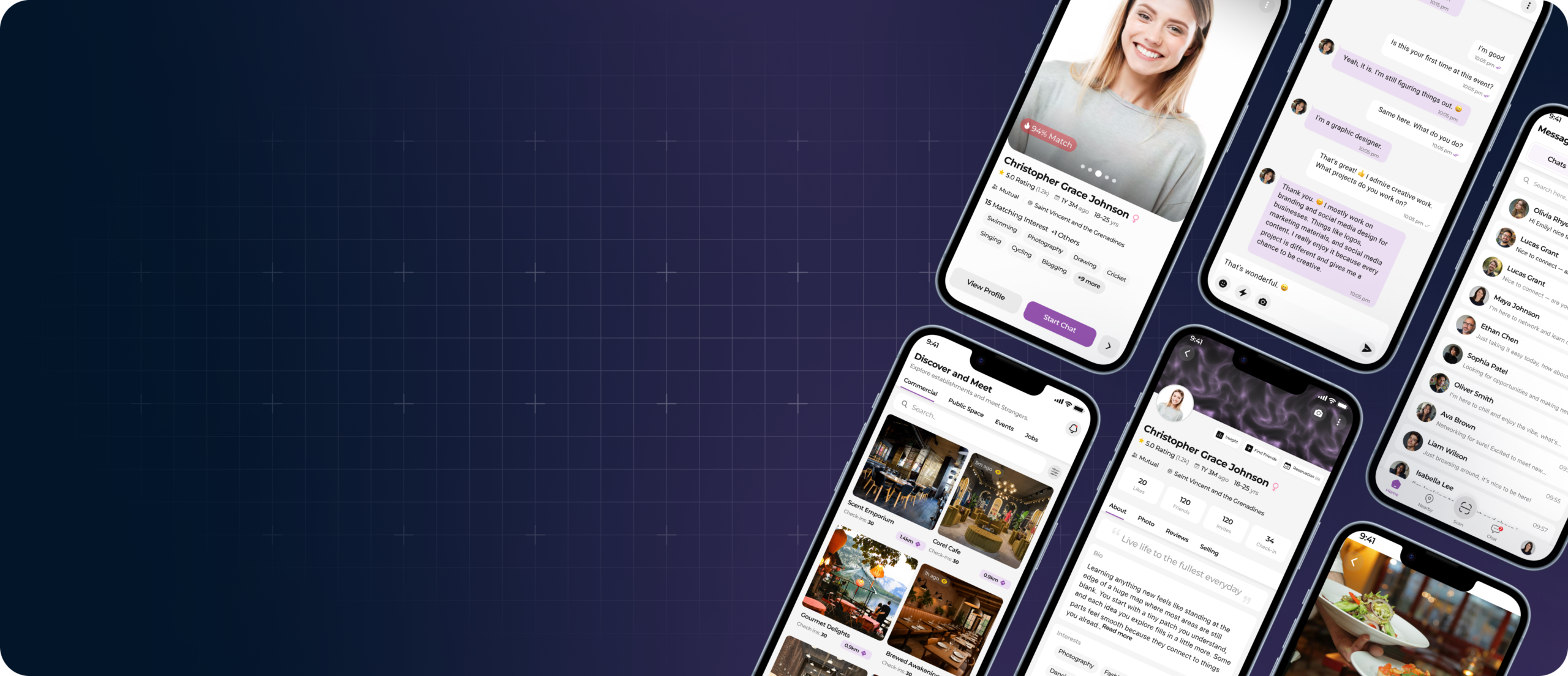
Social networking app development is the process of designing and building digital platforms where users
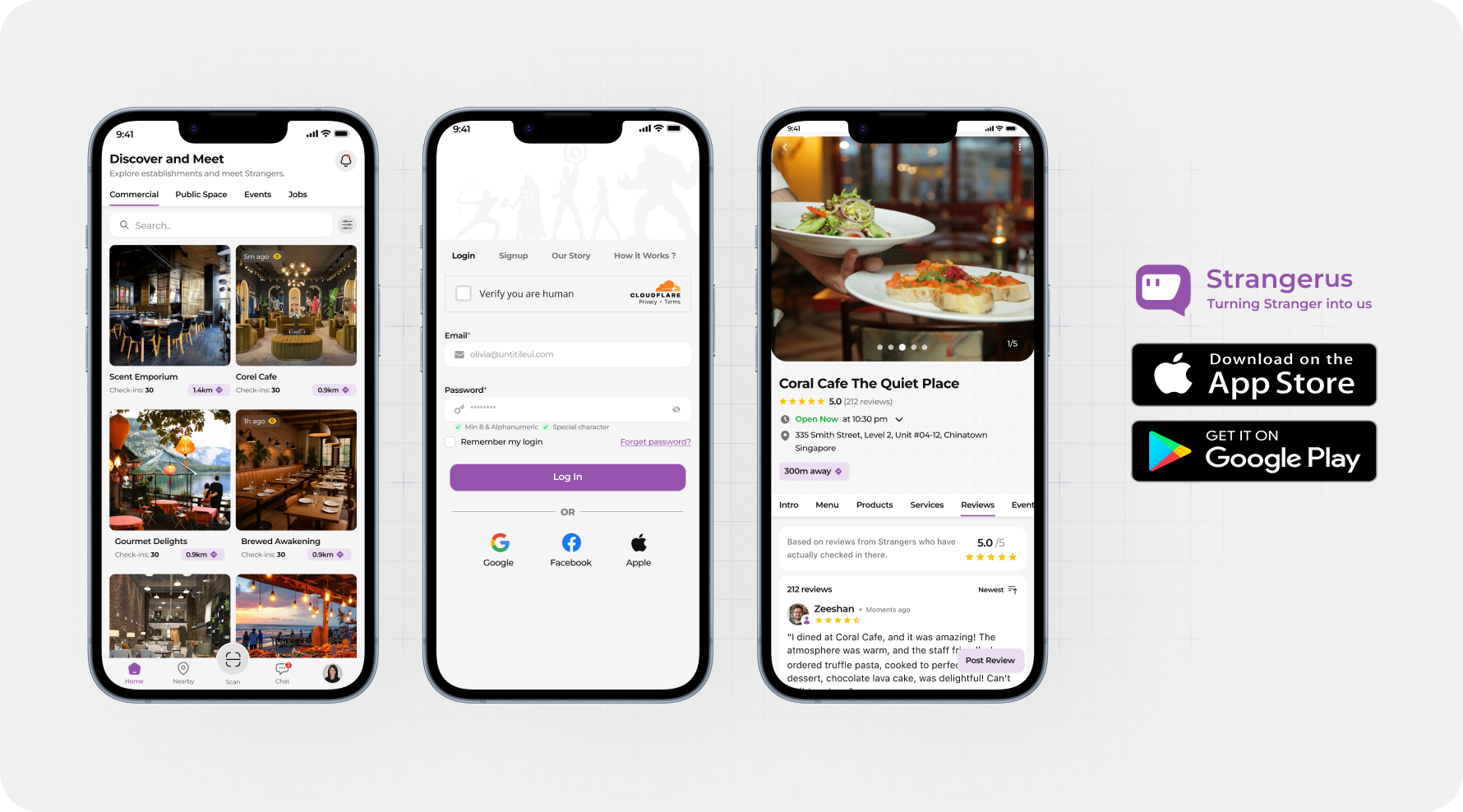
Social networking app development is the process of designing and building digital platforms where users can connect, communicate, share content, and build communities online. These apps allow people to create profiles, add friends or followers, post updates, send messages, join groups, share media, and interact through likes, comments, and reactions.
A social networking app can be built for general users, professionals, communities, businesses, creators, or niche interest groups. Modern social apps also include features like real-time chat, stories, reels, live streaming, notifications, privacy settings, content moderation, and AI-based recommendations.
The main goal of social networking app development is to create a smooth, engaging, and secure platform where users can interact naturally and keep coming back.
Social networking apps can be divided into different types based on audience, purpose, and features. Here are the main types:
Community-Based Platform: These apps allow users to create profiles, connect with friends, share posts, upload photos or videos, and interact with others. Examples include apps similar to Facebook.
Career and Business Networking: These apps help professionals connect with other professionals, recruiters, companies, and industry experts. Users can share work updates, find jobs, build connections, and grow their professional identity.
Photo and Video Sharing: These apps focus on sharing visual content such as images, short videos, reels, stories, and live streams. They are popular among creators, influencers, brands, and entertainment-focused users.
Private Communication Platform: These apps focus on direct messaging, group chats, voice calls, video calls, and file sharing. Some apps also include communities, channels, or broadcast features.
Interest-Based Discussions: These apps allow users to join communities, ask questions, start discussions, share opinions, and follow topics. They are useful for niche groups, learning communities, and support networks.
Connection-Based Platform: These apps help users meet new people based on location, interests, preferences, or matching algorithms. Features often include profiles, swiping, chat, verification, and safety controls.
Creator-Focused Platform: These apps are built for influencers, artists, educators, and creators to publish content, build followers, monetize their audience, and interact with fans.
Brand and Customer Engagement: These apps help businesses connect with customers, build communities, share updates, run campaigns, and receive feedback.
Nearby User Interaction: These apps connect users based on real-time location. They are useful for local communities, events, meetups, restaurants, travel, and venue-based networking.
Specific Audience Platform: These apps are designed for a particular group such as gamers, students, travelers, fitness lovers, entrepreneurs, parents, or hobby communities.
Each type of social networking app needs a different feature set depending on the target users and the main purpose of the platform.
Social networking app development offers many benefits for businesses, startups, creators, and communities. Here are the key advantages:
Continuous Interaction: Social apps encourage users to post, comment, like, share, message, and participate in discussions.
High Retention: Features like notifications, feeds, groups, and recommendations keep users active on the platform.
User Connections: A social networking app helps people build relationships around interests, location, profession, or shared goals.
Loyal Audience: Communities create emotional connection, which helps increase long-term user loyalty.
Business Visibility: Companies can use social networking apps to promote services, products, events, and updates.
User Sharing: When users share content, the platform gets organic visibility and more reach.
Advertising: Social apps can generate revenue through sponsored posts, display ads, video ads, and promoted content.
Premium Features: Businesses can offer subscriptions, verified badges, advanced analytics, exclusive content, or profile boosts.
Real-Time Messaging: Users can communicate instantly through chats, groups, voice calls, or video calls.
Direct Engagement: Brands, creators, and communities can interact directly with their audience.
User Behavior Analysis: Social apps collect useful data about user interests, activity, engagement, and content preferences.
Better Decisions: Businesses can use analytics to improve features, content strategy, and marketing campaigns.
Easy Publishing: Users can share text, photos, videos, polls, stories, and live content.
Viral Growth: Good content can spread quickly through shares, reactions, and recommendations.
Smart Feed: Social networking apps can show content based on user interests, behavior, location, and connections.
Better Recommendations: AI can suggest friends, groups, posts, events, and creators users may like.
Customer Engagement: Businesses can build their own social platform to connect with customers without depending completely on third-party apps.
Community-Led Growth: Strong communities can increase trust, referrals, and repeat engagement.
Large User Base: A well-built social networking app can grow from a small community to millions of users.
Feature Expansion: New features like live streaming, marketplace, events, subscriptions, and creator monetization can be added over time.
Social networking app development helps businesses and startups create platforms where users can connect, share, and communicate. It improves engagement, builds communities, creates revenue opportunities, and supports long-term digital growth.
Social networking app development is useful for many industries and business models. Here are the main business applications:
New Community Apps: Startups can create social apps for specific audiences such as students, professionals, travelers, gamers, or local communities.
Scalable Business Model: These apps can grow through ads, subscriptions, premium features, and partnerships.
Customer Connection: Businesses can build private communities where customers can discuss products, ask questions, and share feedback.
Brand Loyalty: A dedicated social app helps brands stay closer to their audience.
Audience Building: Creators can use social networking apps to share content, manage followers, and build fan communities.
Monetization: Apps can include paid content, subscriptions, tips, events, or exclusive groups.
Career Growth: Professional apps help users build profiles, connect with companies, find jobs, and share industry knowledge.
Recruitment Support: Employers can discover talent and connect with candidates directly.
Student Interaction: Schools, colleges, and online learning platforms can create social apps for students and teachers.
Learning Groups: Users can join study groups, ask questions, share resources, and attend discussions.
Patient Support: Healthcare platforms can build communities where users share experiences, receive guidance, and connect with experts.
Wellness Engagement: Fitness and mental health apps can use social features to keep users motivated.
Event Communities: Social apps can help attendees connect before, during, and after events.
Live Interaction: Features like event feeds, group chats, polls, and attendee profiles improve engagement.
Nearby Connections: Local businesses can create platforms where users discover nearby people, services, events, and offers.
Location-Based Engagement: These apps are useful for restaurants, coworking spaces, clubs, and city communities.
Social Shopping: Businesses can combine social networking with online shopping, allowing users to follow brands, share products, review items, and buy directly.
Influencer Selling: Creators and influencers can promote products inside the app.
Employee Networking: Companies can build private social apps for employees to share updates, collaborate, and build workplace culture.
Team Engagement: Internal feeds, groups, recognition posts, and chat features improve communication.
Social networking app development can support startups, brands, creators, educational platforms, healthcare communities, event organizers, and businesses. It helps create stronger relationships, better engagement, and new revenue channels.
The history of social networking app development shows how online communication changed from simple profiles to advanced real-time communities.
Forums and Chat Rooms: Before modern social apps, people connected through online forums, chat rooms, and message boards.
Basic Interaction: Users could post messages, reply to discussions, and join topic-based communities.
Personal Profiles: Early social networks introduced user profiles, friend lists, photos, and public updates.
Online Identity: Users started building their digital identity through bios, interests, and personal content.
Mass Adoption: Social networking became mainstream as platforms allowed people to connect with friends, family, brands, and communities.
News Feed: The introduction of personalized feeds made content discovery easier and increased user engagement.
Smartphone Growth: As smartphones became popular, social networking shifted from desktop websites to mobile apps.
Instant Sharing: Users could upload photos, videos, and updates anytime from their phones.
Messaging and Notifications: Social apps started adding instant messaging, push notifications, group chats, and live updates.
Faster Engagement: Users became more active because communication became instant.
Photos, Stories, and Reels: Social apps moved toward visual content like short videos, stories, filters, and live streaming.
Creator Economy: Influencers, creators, and brands started using social apps as business platforms.
Personalized Content: Apps began using algorithms to show users content based on interests, behavior, and engagement.
Better Discovery: Users started discovering new creators, groups, products, and communities more easily.
User Protection: Social apps added privacy settings, blocking, reporting, verification, and content moderation.
Trust Building: Safety features became important for user retention and platform reputation.
AI-Powered Features: Modern social apps use AI for content recommendations, friend suggestions, moderation, spam detection, and personalized feeds.
Automation: AI also helps businesses understand user behavior and improve engagement.
Complete Digital Ecosystems: Today’s social networking apps include profiles, feeds, messaging, groups, stories, reels, live streaming, monetization, analytics, moderation, and AI recommendations.
Community-First Platforms: Modern apps are moving toward more focused communities where users connect around shared interests and real relationships.
Social networking app development has evolved from simple online forums to advanced mobile platforms with real-time chat, media sharing, AI recommendations, and creator monetization. Today, social apps are not just for communication. They are powerful platforms for business, community building, entertainment, and digital growth.







“100Percent” trademark is managed by Avaster Pte Ltd.
Avaster Pte Ltd
Address: 60 Paya Lebar Road
#07-54 Paya Lebar Square
Singapore 409051
goodtogo pvt. ltd
(Address check contact page)
Let's chat on WhatsApp
You can call us on +65 8087 8865 to connect